
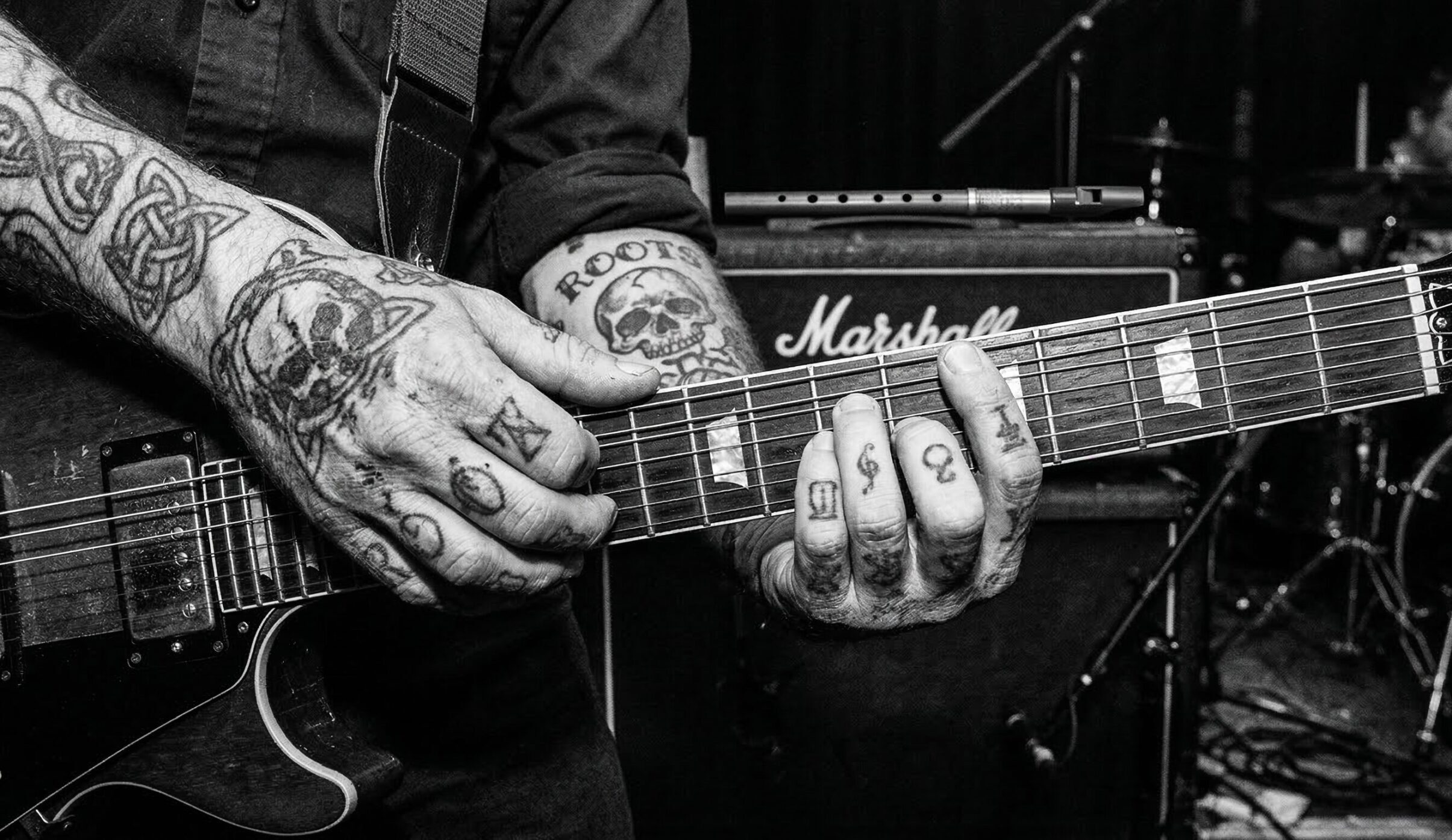
March 17 is that one day when everyone suddenly discovers an ancestor in Dublin to justify drinking a lukewarm pint of Guinness while wearing a cheap green plastic hat. Cute enough, but the real Saint Patrick’s Day shouldn’t smell like a “made in China” shamrock. It should reek of spilled beer, mosh pit sweat, and singalongs screamed hard enough to shred your vocal cords. Welcome to Celtic punk, where Irish tradition gets kicked in the teeth with a pair of combat boots.
And for that, celtic punk remains a safe bet. Because deep down, this genre has never had much in common with a postcard. It doesn’t try to make tradition seem wiser or more presentable. It takes it exactly as it is, with all its identity, and then hurls it straight into the force of punk rock.
The result smells a lot less like tourist folklore than the sticky floor of a pub after midnight.
When Irish tradition gets a boot to the amp
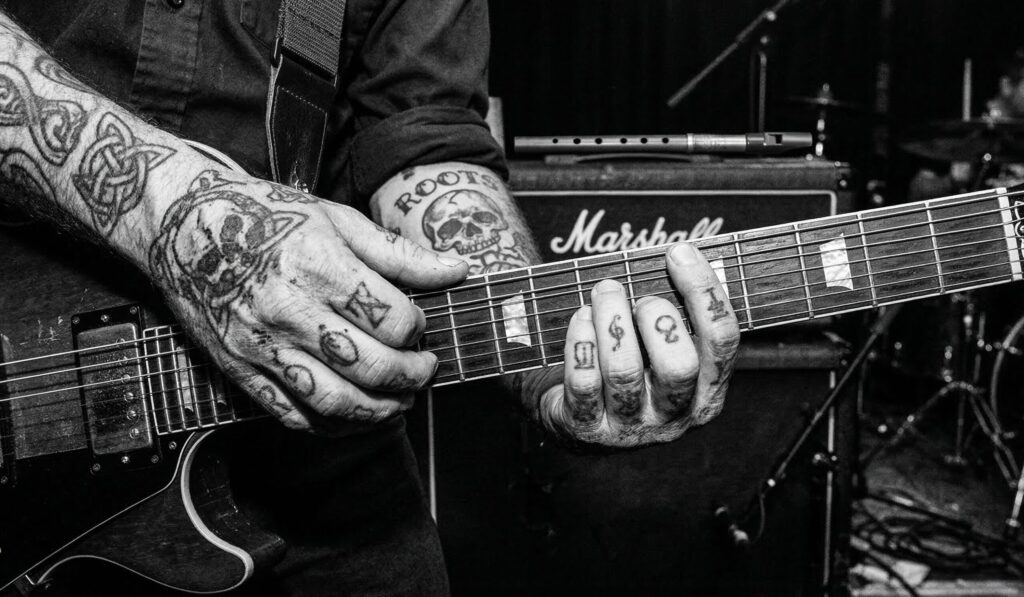
On paper, the mix made no obvious sense. On one side, traditional Irish music, with its pub melodies, its traditional instruments, and that old undercurrent of melancholy. And on the other, punk rock, with its urgency, its grime, and its habit of smashing everything in sight without bothering with manners first. And yet…
In its modern form, celtic punk really comes into its own with The Pogues in the early 1980s. The point was not to make things look pretty by tossing a banjo or a tin whistle into three chords. The idea was simpler than that. Bring Irish music into punk chaos without asking it to calm down.
That’s where the genre gets interesting. It keeps the heart of the tradition, but gives it its edge back. The melodies stay. The instruments do too. Except now they move with rough guitars, a drummer pushing from behind, and that very punk way of making it clear that politeness can wait.
The Pogues kicked the door open. Everyone else came in flipping tables
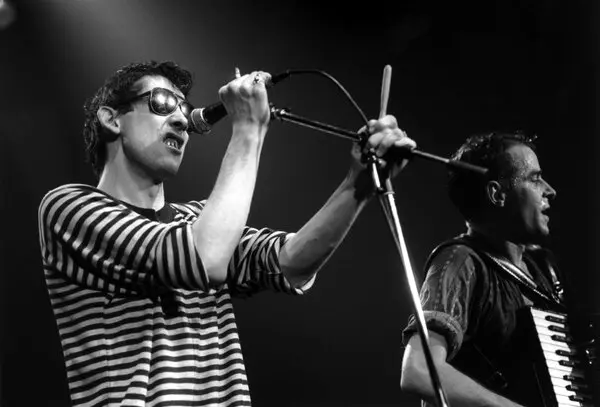
Let’s be honest. Without Shane MacGowan and his band of gloriously wrecked castaways, The Pogues, we’d probably still be listening to retirement-home folk music dressed up as pub culture. They kicked the door open, then let in everything the genre could be at its best and worst, drunk and devastating. More than anything, they proved Irish heritage, gutter poetry, and punk brutality could coexist without turning into a polished little exercise for some overly tidy ethnomusicologist.
Flogging Molly, formed in Los Angeles in 1997 around Dave King, gave the genre a huge boost. More melodic at times, but never soft, they locked in that mix of Irish warmth, punk drive, and choruses built to be shouted back from a few drinks away.
Dropkick Murphys, formed in Quincy, Massachusetts, in 1996, pushed even harder into street-level energy, working-class anthems, and songs built for sweaty venues, festivals, stadiums, and nights when nobody planned on going home early. They have that rare ability to sound like a pub band, a fight band, and a people’s choir all at once. It is not elegant in the slightest. The crowd loves it. And if you were looking for an excuse not to go to work tomorrow, Dropkick Murphys just handed you one on a silver platter. Their new album just dropped. A record that proves even after 30 years, the Boston guys still know how to turn a political statement, their anti-ICE track is a perfect example, into a stadium-sized anthem.
Even in Canada!
And if we need a reminder that the genre doesn’t stop in Dublin or Boston, The Real McKenzies, founded in Vancouver in 1992, are here to prove that Canada has done a damn good job turning Celtic heritage into a full-on barroom detonation too.
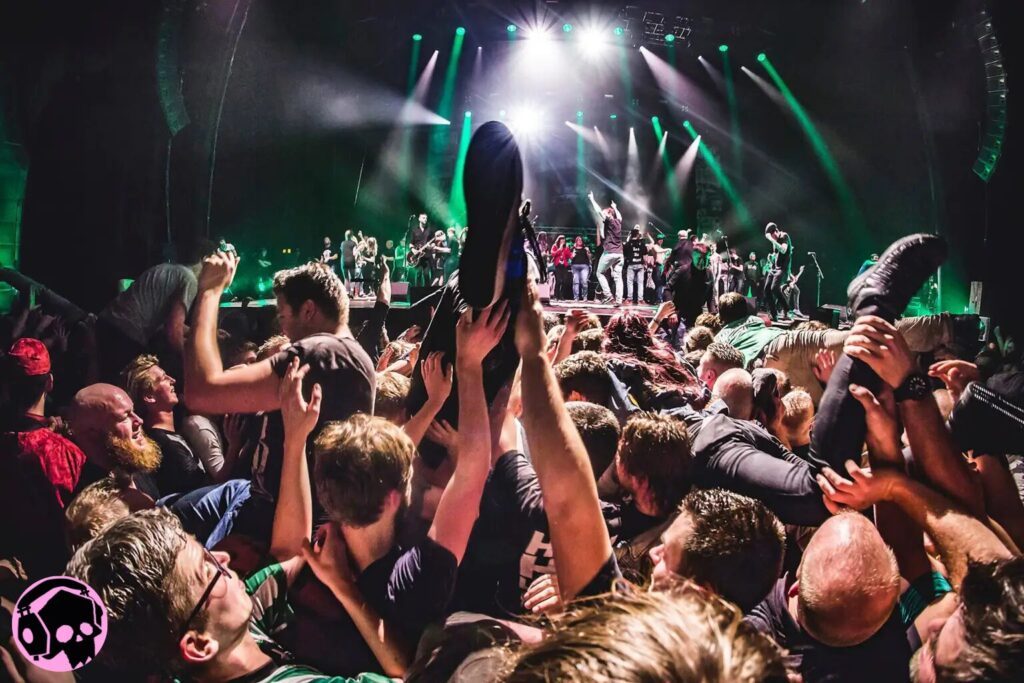
Because clean folklore is for tourists
Because Saint Patrick’s Day is not just a party. It is also a collective memory shaped by bar counters, exile, songs, and transmission. And that is exactly where celtic punk lands its punch.
It has the warmth of songs people shout together. It has the raw edge of protest music in the purest punk tradition. And it also carries that blend of joy and melancholy you find in the best Irish songs.
That is why it has aged so well. It does not rest on a gimmick. It rests on real tension. The tension between celebration and gravity, between memory and noise, between folk singing and punk electricity.
In short, it has everything you need for a Saint Patrick’s Day worthy of the name.
Sure, you can let some predictable Irish playlist run in the background. No one will hold it against you. But if you want a soundtrack with more energy and a better chance of ending the night with more beer on your shoes, celtic punk is still the best choice.
On March 17, we do not always ask music to be elegant.
We ask it to be alive.
And on that front, celtic punk has nothing to learn from anyone.
Now put your phone down, turn it up, and pour yourself a pint. Here is something to wake the neighbors up: