
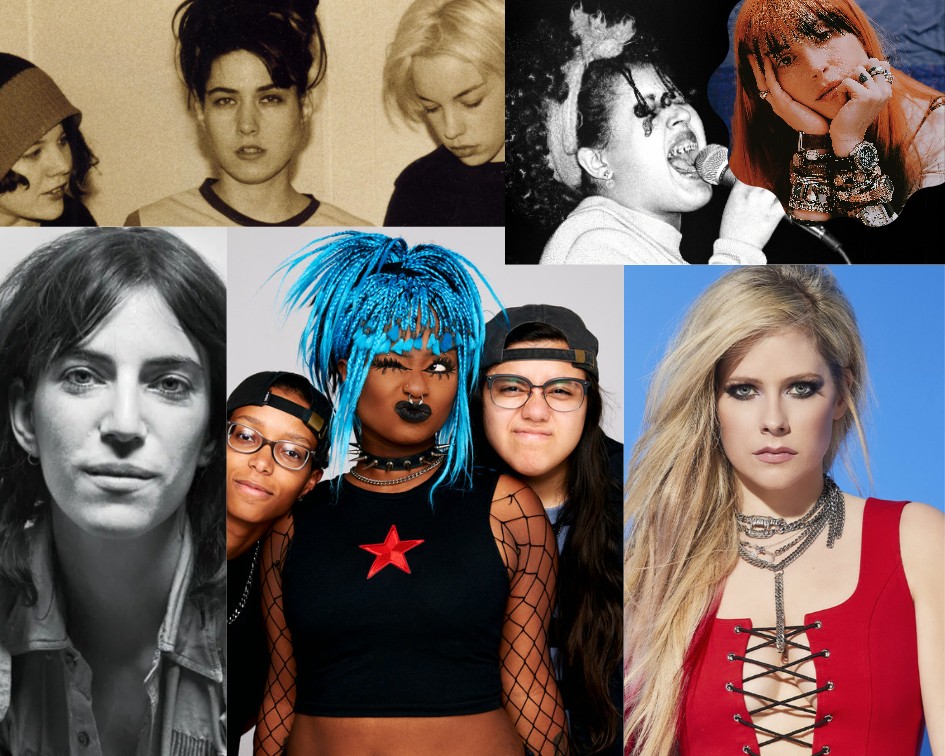
March 8th marks International Women’s Day, an opportunity to showcase the female artists of the punk scene that you love as much as I do if you’re here on PPRU. You can also discover the artists featured here and many others on the Spotify playlist “Feminine Punk“. So let’s get back to basics: punk rock emerged in the 1970s as a form of musical rebellion. It has always been more than just a genre; it’s a true counterculture, a movement, a cry of rebellion. At the heart of this movement are female figures. They have played a crucial but often underestimated role in defining and redefining what it means to be punk. At all levels, women have brought a unique and powerful voice to punk rock, challenging social and musical conventions.
Honestly, I don’t care what gender is playing an instrument in a song I listen to as long as it’s good. However, I must admit that a female voice over guitar riffs always has its own charm in a genre dominated by male voices. So today is the perfect opportunity to spotlight these artists. I have chosen to trace the contributions of several female artists from this scene, from its origins to the present day.
We’ll start with the pioneers of the 1970s, whose boldness allowed women to be active participants and activists in this movement. Then we’ll look at the revolutionary period of the Riot Grrrls of the 1990s. A movement that combined punk music and feminism. After that, we’ll take a look at the 2000s, which marked the genre’s openness to the new century. Finally, we’ll explore the impact and legacy of these movements on the contemporary heirs of punk, with a particular focus on the pop punk scene.
The Pioneers
In the 1970s, as punk rock emerged as a bastion of counterculture, bold female voices began to be heard, redefining the genre from its very beginnings. These pioneers not only participated in the punk scene but also played a fundamental role in shaping it.
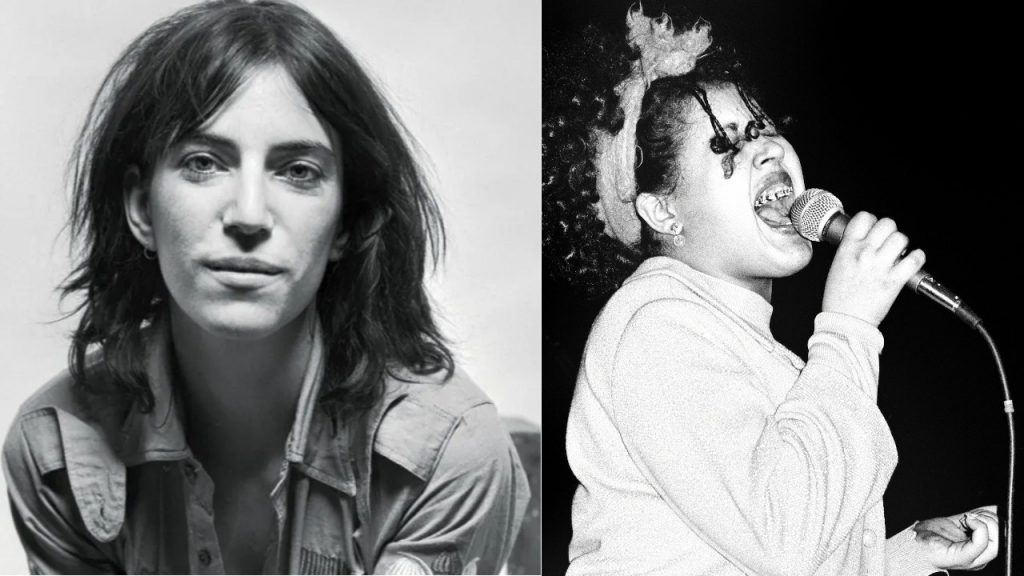
Patti Smith, often dubbed the “godmother of punk“, was one of the first to blend poetry and rock. It was with her iconic album “Horses” in 1975 that she succeeded in doing so. Her unique style, combining raw lyrics with intense performance, paved the way for a new form of artistic expression in punk. Patti Smith was not just a musician; she was a force of nature who shattered conventions. She helped redefine what it meant to be a female artist in a male-dominated genre.
In the UK, punk took on a more political and direct form. Poly Styrene, the frontwoman of the band X-Ray Spex, became famous for her distinctive voice and socially engaged lyrics. With songs like “Oh Bondage, Up Yours!” she challenged gender norms and encouraged a more critical reflection on society. Her presence on stage, with an uncompromising visual and vocal style, marked a significant milestone in the history of punk rock.
These women, like many others, were not just artists: they were icons who defied norms and expanded the horizons of punk rock. Their influence transcended music, touching fashion, culture at large, and social issues. By forging their own path, they opened doors and inspired countless women to claim their place in this universe.
The Era of Riot Grrrls
In the 1990s, a new chapter unfolded in the history of punk rock with the emergence of the Riot Grrrl movement. This movement originated in the United States and was a direct response to gender inequalities and the prevailing macho culture in the punk scene. The Riot Grrrls combined punk music with explicit feminist activism, creating a space where women’s voices could be heard and respected.
Bikini Kill, led by Kathleen Hanna, is often cited as the emblematic group of this movement. This group tackled themes such as sexism and female empowerment in their songs. Their song “Rebel Girl” became an anthem for the movement, celebrating female solidarity and the power of empowerment.
Bratmobile, another key group of this era, brought a different but equally powerful approach. Their raw and minimalist sound, combined with sharp lyrics, challenged norms. The group innovated both aesthetically and musically while carrying a strong feminist message.
Sleater-Kinney, formed by Corin Tucker and Carrie Brownstein, also played a significant role in Riot Grrrl. Their music is more melodic but still laden with a powerful feminist message. It helped propel the movement to a wider audience.
The impact of the Riot Grrrls extended beyond the boundaries of music. They inspired a new type of feminist activism, encouraging women to speak up and claim their place in society. The movement also paved the way for greater recognition of gender and sexuality issues in punk music, laying the groundwork for future generations.

The 2000’s
At the dawn of the 21st century, the punk scene, enriched by the legacy of the pioneers and Riot Grrrls, continues to witness the emergence of female artists who push the boundaries of the genre. These heirs have not only inherited the passion and rebellion of their predecessors. They have also brought their own sensitivity and innovation, especially in the realm of pop punk, which takes flight during this era.
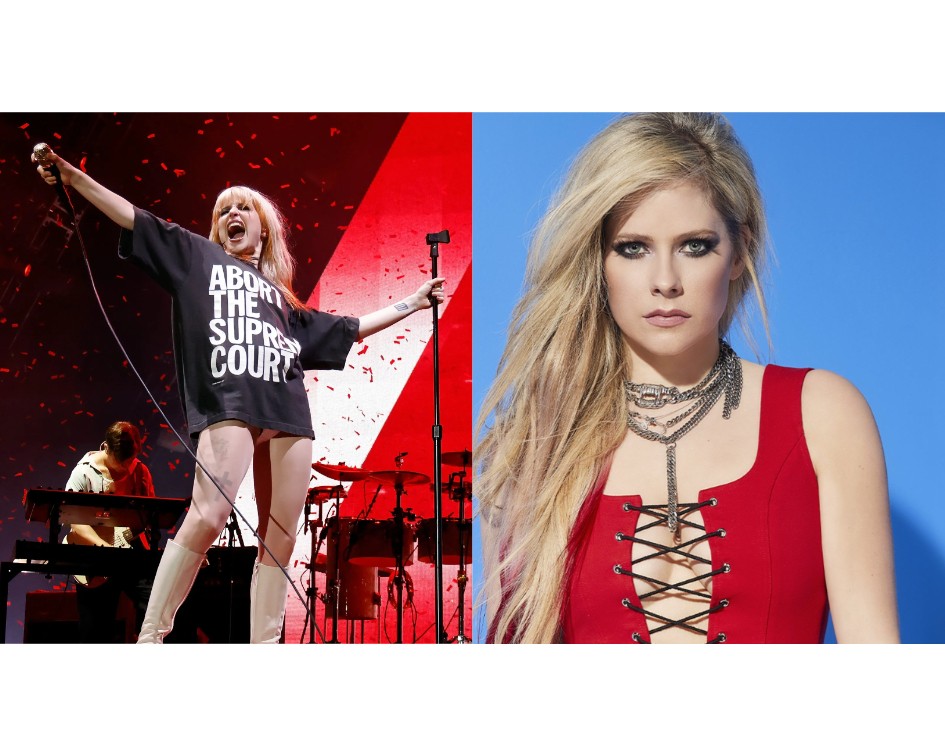
Hayley Williams, the charismatic lead singer of Paramore, is a striking example of this new generation. Since their debut in 2004, Paramore has achieved global success. The band blends the raw energy of punk rock with melodic and accessible elements of pop punk. Their music addresses themes such as love, overcoming adversity, and empowerment, reflecting the concerns and aspirations of a new generation.
Avril Lavigne has also played a crucial role in popularizing pop punk among a wider audience. She has long been dubbed the “Pop Punk Queen” – although her title seems to be challenged today. With hits like “Sk8er Boi” and “Complicated“, she brought a refreshing feminine perspective to the genre. She has nonetheless maintained a rebellious punk attitude to this day.
The 2000s marked a turning point for the punk scene thanks to many female groups and artists. Their contributions extend beyond music; they also influence fashion, social discourse, and politics. These artists use their platforms to address important issues such as gender equality, mental health, and self-acceptance, thus continuing the tradition of punk as a means of social and political expression.
Contemporary Heirs
Since the 2020s, the pop punk scene has experienced a renaissance. This is due in particular to the emergence of new female artists who are pushing back the boundaries of the genre. These contemporary heirs bring a freshness and innovative perspective, profoundly influencing these scenes.
Meet Me @ The Altar represents a refreshing wave in pop punk. This all-female band has caused a sensation with its dynamic, energetic approach to the genre. Their sound, which blends catchy melodies with positive, inspiring messages, has won over a diverse audience. By breaking down stereotypes and highlighting diversity, Meet Me @ The Altar redefine what it means to be a female punk band in contemporary society.
Stand Atlantic singer Bonnie Fraser is another influential figure in today’s pop punk scene. With her powerful voice and heartfelt lyrics, she has guided the band to international fame. Stand Atlantic distinguishes itself by its innovative approach to the genre, incorporating elements of other musical styles. This broadened pop punk’s appeal and attracted new listeners.
Today, these examples are many and varied. Many female pop artists are no longer afraid to use the codes of punk in their songs. Olivia Rodrigo is a case in point. She made a clear impact on pop punk with her single “good 4 u“, which was hailed for its ability to blend classic pop punk influences with a modern sensibility.
For the more classic punk scene, the band Bad Cop/Bad Cop has recently had a major impact. This all-female band formed in 2011 in California. They quickly made a name for themselves in the punk scene, not least for their social commitment. Their songs tackle themes such as feminism, self-acceptance and the fight against injustice. The band is in line with the struggles of which they are heirs, fighting for greater diversity and inclusivity in a genre still dominated by men.
Ces artistes symbolisent l’évolution de la scène punk. Elles intègrent des influences diverses tout en restant fidèles à l’esprit rebelle et expressif du genre. Leur succès démontre la vitalité continue de cette scène et son importance croissante dans la culture musicale contemporaine.

Conclusion
I’m glad I took the time to write this article, which allowed me to rediscover many of the artists featured and their legacy, which is a major component of today’s punk movement. Looking back at the history of women in punk, from the revolutionary pioneers of the ’70s to the contemporary influences of pop punk, it’s clear that their impact is profound and lasting. Female artists have shaped punk rock and pop punk through the ages. But they have also played a crucial role in the genre’s ongoing reinvention and evolution.
Pioneers’ boldly paved the way. The Riot Grrrls amplified the voice of feminism. The artists of the 2000s opened up the genre. And contemporary artists continue to push the boundaries.
The influence of female punk artists goes beyond music: they shape culture. They inspire future generations and empower broader issues of diversity, inclusion and self-expression. By defying stereotypes and embracing authenticity, they prove that punk is a space where all voices can be heard and valued.
I hope this article has inspired you to discover these artists, if you haven’t already, and to learn something new about what punk owes to women. If so, please feel free to share both the article and the special female punk playlist with others.
And a happy International Women’s Day!